Heading Home Remedies for Digestive Issues: From Bloating to Indigestion


Digestive discomfort, such as bloating, indigestion, gas, or mild heartburn, affects many people occasionally. Stress, eating habits, or certain foods can trigger these issues. While persistent problems need medical attention, gentle home remedies can often provide relief for everyday digestive upset.
In this guide, we’ll cover simple, natural approaches using common kitchen ingredients and habits. These suggestions are based on traditional uses and general wellness practices.
Common Causes of Digestive Issues
Eating too quickly, large meals, or foods high in fat or fiber can slow digestion. Carbonated drinks and artificial sweeteners sometimes cause bloating.
Stress affects gut motility, while dehydration makes it harder for the body to process food.
Identifying personal triggers through a food journal can help prevent discomfort.
Stay Hydrated Throughout the Day
Water supports every step of digestion, from breaking down food to moving waste.
Aim for steady sips rather than large gulps. Room-temperature or warm water is often easier on the stomach.
Herbal teas without caffeine can also support hydration while providing additional soothing benefits.
Ginger: A Traditional Digestive Aid
Ginger has been used for centuries to ease nausea, bloating, and indigestion. It may help speed up stomach emptying.
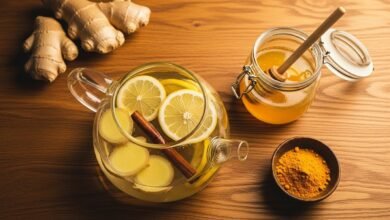
Fresh ginger tea is simple to make. Peel and slice a small piece of fresh ginger root (about 1 inch), add to hot water, and steep for 5–10 minutes.
Add lemon or honey for taste. Sip slowly after meals or when discomfort starts.

Peppermint for Calming the Gut
Peppermint contains menthol, which may relax smooth muscles in the digestive tract.
Peppermint tea is a popular choice for relieving gas and bloating.
Steep a tea bag or fresh leaves in hot water for 5 minutes. Drink between meals.
Peppermint oil capsules are another option, but consult a healthcare provider first.
Fennel Seeds After Meals
Fennel has a mild licorice flavor and is traditionally chewed after meals in some cultures.
It may help reduce gas and bloating.
Chew half a teaspoon of seeds slowly, or make fennel tea by crushing seeds and steeping in hot water.
Chamomile Tea for Relaxation
Chamomile can calm both the mind and the digestive system. It may reduce inflammation and spasms.
A cup in the evening can support overall relaxation, which benefits digestion.
Steep dried flowers for 10 minutes. Avoid if you have ragweed allergies.
Probiotic-Rich Foods for Gut Balance
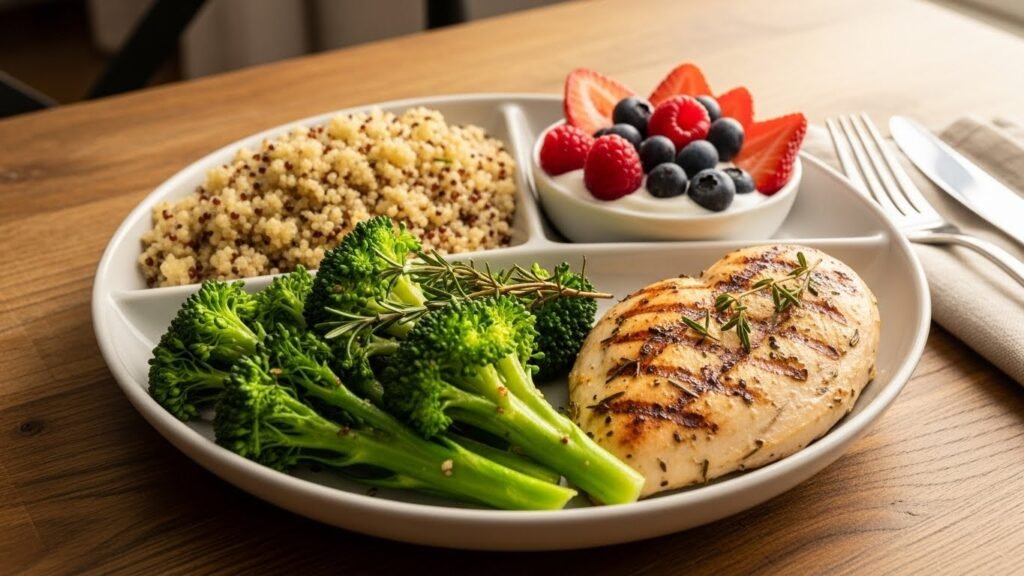
Friendly bacteria support healthy digestion. Naturally fermented foods provide probiotics.
Plain yogurt, kefir, sauerkraut, kimchi, and kombucha are familiar sources.
Start with small portions to see how your body responds.
Include them regularly rather than only when issues arise.
Fiber: Finding the Right Balance
Both too little and too much fiber can cause problems—gradual increases help.
Soluble fiber from oats, apples, and carrots can soothe the gut.
Insoluble fiber from whole grains and vegetables adds bulk.
Pair fiber-rich foods with plenty of water.
Simple Lifestyle Adjustments
Eat smaller, more frequent meals instead of large ones.
Chew food thoroughly to aid initial breakdown.
Take a gentle walk after eating to encourage movement.
Avoid lying down right after meals.

Warm Compress for Comfort
A warm compress on the abdomen can relax muscles and ease cramps or bloating.
Use a hot water bottle or warm towel for 15–20 minutes.
Combine with deep breathing for added relaxation.
Practical Steps to Try at Home
- Keep ginger root or tea bags on hand for quick preparation.
- Track meals and symptoms for a week to spot patterns.
- Drink a soothing tea 20–30 minutes after eating.
- Practice mindful eating—sit down, eat slowly, without distractions.
- Stay upright for at least an hour after larger meals.
Easy Recipes to Support Digestion
Basic Ginger-Lemon Tea
- 1-inch fresh ginger, sliced
- Juice of half a lemon
- 1 cup hot water
- Optional: 1 teaspoon honey
Steep ginger for 10 minutes, add lemon and honey.
Fennel-Peppermint Blend
- ½ teaspoon fennel seeds
- ½ teaspoon dried peppermint leaves
Steep together for a refreshing tea.
Soothing Yogurt Smoothie
- ½ cup plain yogurt
- ½ banana
- Handful of berries
- Splash of kefir or milk
Blend for a gentle breakfast or snack.
Common Mistakes to Avoid
Relying on remedies while ignoring ongoing poor habits like rushed eating.
Increasing fiber too quickly can worsen bloating initially.
Using very hot teas or compresses that irritate the skin.
Assuming all discomfort is minor, persistent pain needs evaluation.
Overusing any single remedy instead of varying approaches.
When to See a Healthcare Provider
Home remedies suit occasional issues. Seek help if you experience:
- Severe or persistent abdominal pain
- Unexplained weight loss
- Blood in stool or vomit
- Difficulty swallowing
- Symptoms lasting more than a few weeks
A doctor can identify underlying conditions and offer tailored advice.
Building Long-Term Digestive Health
Prevention works better than frequent relief:
- Eat a varied, whole-food diet.
- Manage stress through movement or relaxation.
- Stay active daily
- Get consistent sleep
- Limit processed foods and excessive caffeine.
Small, sustainable changes often bring the most significant improvements.
Everyone’s digestive system responds differently. Experiment patiently to find your best routine.
Conclusion
Home remedies for digestive issues like bloating and indigestion offer gentle support using ingredients like ginger, peppermint, fennel, and probiotic foods. Combined with mindful eating and healthy habits, these approaches can help many people feel more comfortable.
Start with one or two remedies that appeal to you, observe how your body reacts, and build from there. Always listen to your body and seek professional guidance for ongoing concerns.
With simple adjustments, everyday digestion can naturally become smoother and more balanced.