
Herbal Teas for Better Sleep: Recipes and Benefits
Many people struggle to fall asleep or stay asleep through the night. Busy schedules, screen time, and daily stress can make it harder to wind down. While there are various ways to improve sleep habits, herbal teas offer a gentle, natural option that has been used for centuries.
In this guide, we’ll look at some popular herbal teas for better sleep, their potential benefits, and simple recipes you can make at home. These teas are caffeine-free and can become a soothing part of your bedtime routine.
Why Herbal Teas May Help with Sleep
Certain herbs contain compounds that promote relaxation and reduce anxiety. Drinking a warm cup of tea signals to your body that it’s time to relax.
The ritual itself—preparing and sipping slowly—can be calming. Warm liquids also help raise your core temperature slightly, which then drops and encourages sleepiness.
Herbal teas are generally safe for most people when consumed in moderation. They can complement good sleep hygiene without causing dependency.
Chamomile Tea: A Classic Choice
Chamomile is one of the most well-known sleep-supporting herbs. It contains apigenin, an antioxidant that may bind to specific receptors in the brain to promote calmness.
Many find that a cup of chamomile tea before bed helps them feel more relaxed.
To prepare: Steep one teaspoon of dried chamomile flowers (or one tea bag) in hot water for 5–10 minutes. Strain if using loose flowers.

Lavender Tea for Calming the Mind
Lavender is famous for its soothing aroma. Drinking lavender tea may help reduce stress and improve sleep quality for some individuals.
Its mild floral taste pairs well with other herbs.
Use food-grade dried lavender buds. Steep one teaspoon in hot water for 5–7 minutes.
Combine with chamomile or lemon balm for a blended relaxation tea.
Avoid strong brews, as lavender can taste bitter if over-steeped.
Valerian Root Tea: A Traditional Remedy
Valerian has a long history of use for sleep and relaxation. Some studies suggest it may increase GABA levels in the brain, as do specific sleep aids.
The taste is earthy and strong, so many mix it with sweeter herbs.
Steep half to one teaspoon of dried valerian root in hot water for 10 minutes.
Start with smaller amounts to see how your body responds.
Lemon Balm Tea for Gentle Relaxation
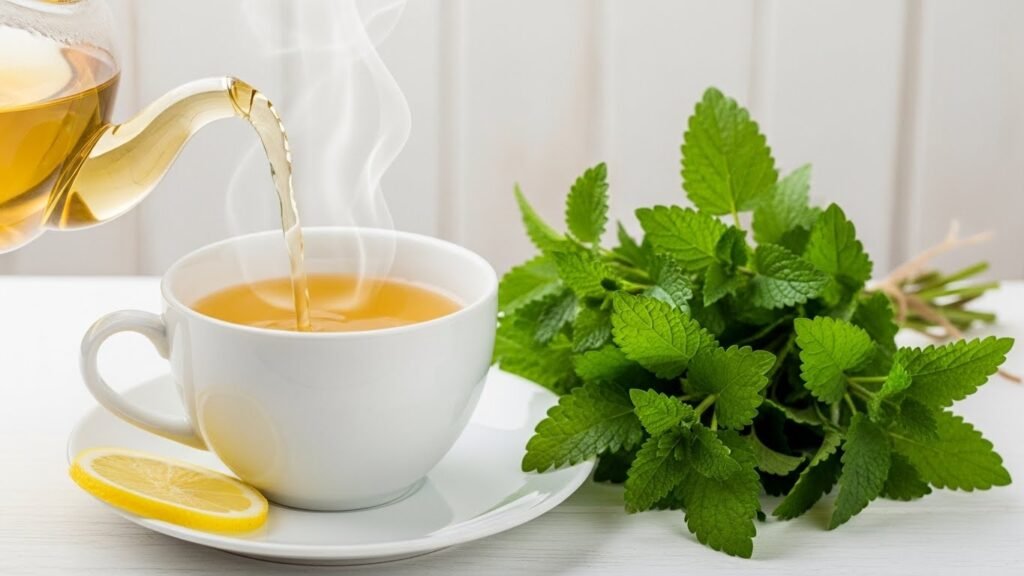
Lemon balm, a member of the mint family, has a light citrus flavor and mild calming properties.
It’s often combined with other herbs for a pleasant bedtime drink.
Steep one to two teaspoons of dried lemon balm leaves in hot water for 5–10 minutes.
Fresh leaves work well, too, if you grow the plant.
Passionflower Tea for Easing Anxiety
Passionflower is another herb traditionally used to calm the nervous system. It may help with occasional sleeplessness related to worry.
The flavor is mild and grassy.
Steep one teaspoon of dried passionflower in hot water for 10 minutes.
It blends nicely with chamomile or lavender.
Simple Herbal Tea Recipes to Try
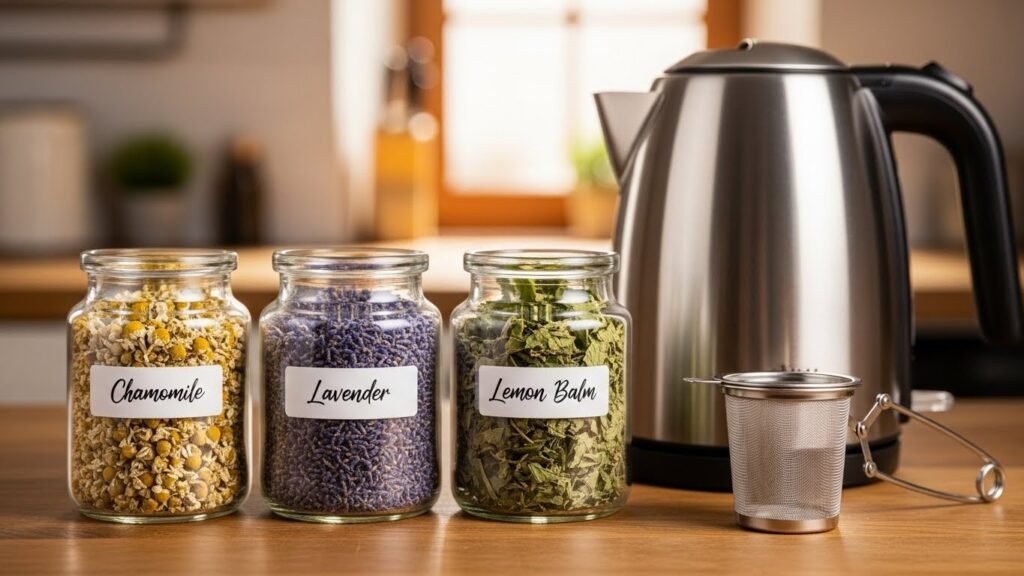
Basic Chamomile-Lavender Blend
- 1 teaspoon dried chamomile flowers
- ½ teaspoon dried lavender buds
- Optional: a slice of fresh lemon
Steep in hot water for 7 minutes. Strain and enjoy.
Soothing Nighttime Mix
- 1 teaspoon lemon balm
- 1 teaspoon chamomile
- ½ teaspoon valerian root (optional for more substantial effect)
Cover and steep for 10 minutes. Sweeten lightly if needed.
Minty Relaxation Tea
- 1 teaspoon peppermint leaves
- 1 teaspoon chamomile
- A few fresh lemon balm leaves
This combination offers a refreshing yet calming taste.
Tips for Making the Most of Herbal Sleep Teas
Use good-quality, organic herbs when possible. Store them in airtight containers away from light.
Boil fresh water, then let it cool slightly before pouring it over delicate flowers to preserve beneficial compounds.
Drink your tea about 30–60 minutes before bedtime to allow the effects to begin.
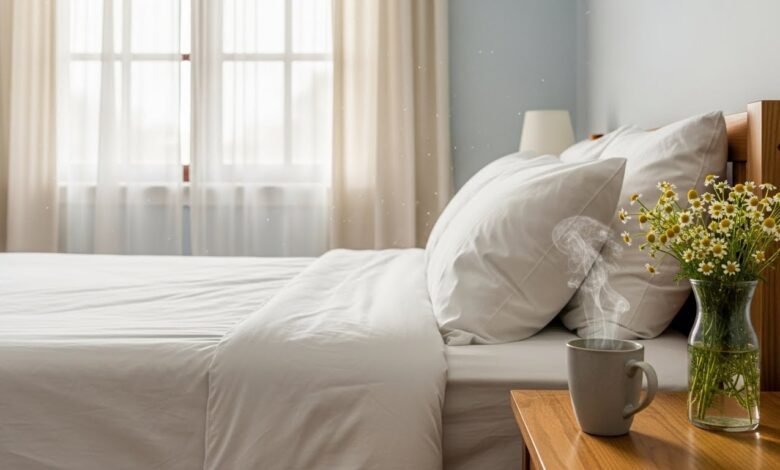
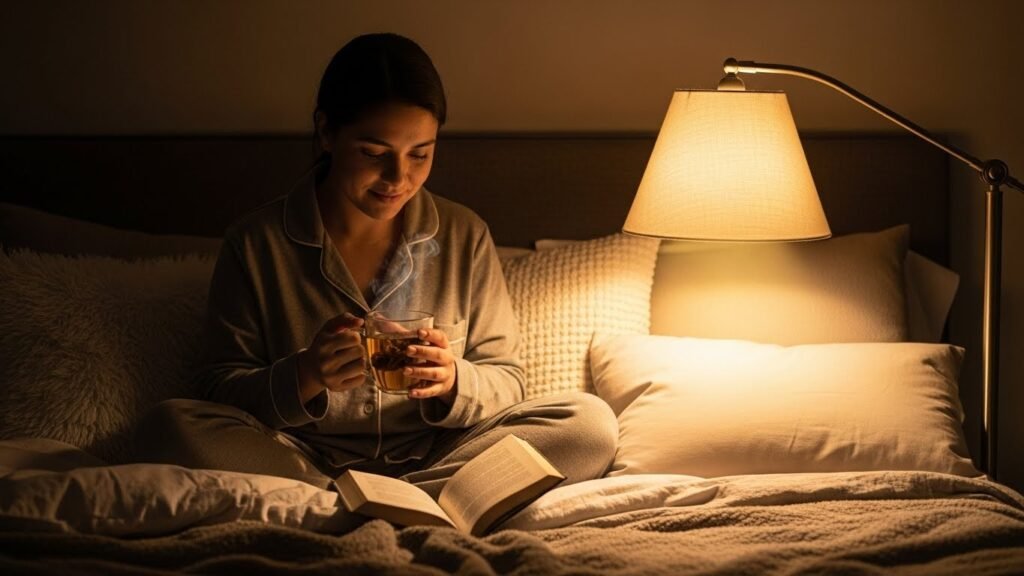
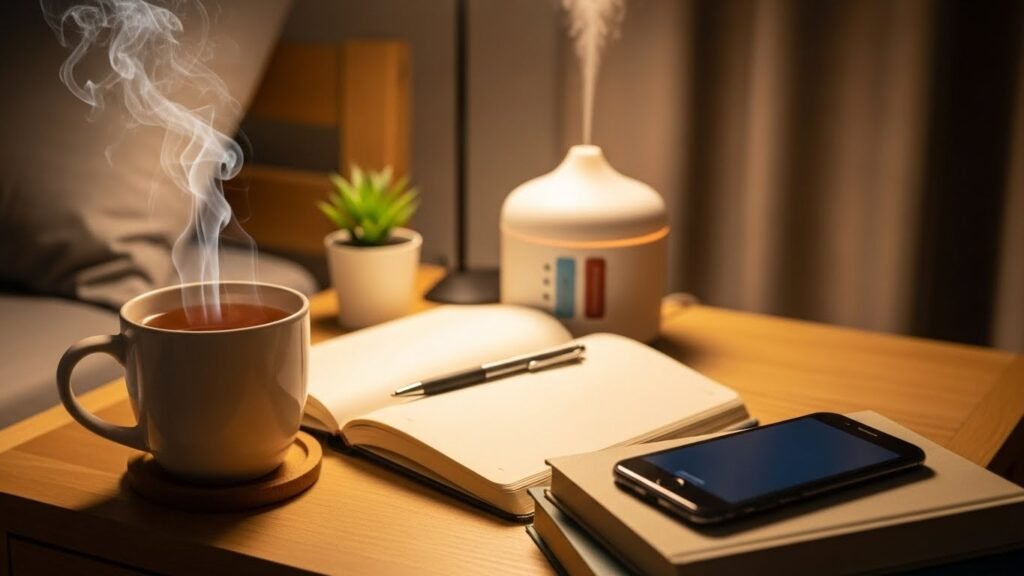
Create a peaceful environment while sipping—dim lights, no screens, perhaps soft music or reading.
Incorporating Tea into a Bedtime Routine
Consistency helps your body recognize sleep cues. Try drinking herbal tea at the same time each night.
Pair it with other relaxing habits:
- A warm bath or shower
- Gentle stretching or deep breathing
- Journaling to clear your mind
- Keeping the bedroom cool and dark
Avoid heavy meals, caffeine, and alcohol close to bedtime.
Practical Steps to Get Started
- Choose one or two herbs to begin with. Chamomile is a gentle starting point.
- Buy loose dried herbs or pre-made caffeine-free tea bags from a reputable source.
- Set aside time each evening for your tea ritual.
- Keep a simple sleep journal. Note which teas you try and how you sleep afterward.
- Adjust steeping times and blends based on taste and effects.
Common Mistakes to Avoid
Drinking tea too late and needing bathroom trips during the night. Finish at least an hour before bed.
Expecting dramatic results from the first cup. Benefits often build with regular use.
Using herbs you’re allergic to or combining too many at once.
Ignoring medication interactions. Check with a healthcare provider if you take prescriptions.
Over-sweetening with sugar can counteract relaxation.
Safety Considerations
Most herbal teas are safe in moderate amounts. Pregnant or breastfeeding individuals should consult a doctor before using certain herbs like valerian.
Start with small servings to test tolerance.
If you experience any unusual reactions, stop use and seek advice.
Herbal teas are not a substitute for medical treatment of chronic sleep issues.
When to Seek Professional Help
Occasional sleepless nights are common, but ongoing issues may need attention. Talk to a doctor if you have:
- Difficulty falling or staying asleep most nights
- Daytime fatigue affecting daily life
- Snoring, gasping, or breathing pauses during sleep
- Restless legs or other discomforts
They can help identify underlying causes and suggest appropriate solutions.
Building Better Sleep Habits Year-Round
Herbal teas work best alongside healthy routines:
- Regular exercise earlier in the day
- Consistent sleep and wake times
- Limited screen exposure in the evening
- A comfortable sleep environment
- Balanced diet and hydration
Small changes often lead to noticeable improvements over time.
Everyone responds differently to herbs. Experiment patiently to find what suits you.
Conclusion
Herbal teas for better sleep provide a simple, enjoyable way to support relaxation before bed. Popular options like chamomile, lavender, lemon balm, and valerian offer gentle benefits when used regularly.
Combine your favorite recipes with a consistent bedtime routine for the best results. Listen to your body, start slowly, and consult professionals when needed.
A warm cup of herbal tea can become a cherished signal that it’s time to rest and recharge naturally.