
Daily Self-Care Habits That Support Long-Term Physical and Mental Health


Daily Self-Care Habits That Support Long-Term Physical and Mental Health
In our fast-paced global culture, “self-care” is often marketed as a luxury—a spa day or an expensive vacation. However, proper self-care is much more fundamental. It consists of the small, consistent actions we take every day to maintain our health and prevent burnout. When we prioritize daily self-care habits, we aren’t just pampering ourselves; we are building a foundation for long-term physical and mental health that can withstand life’s stresses.
The beauty of self-care lies in its simplicity. You do not need expensive equipment or a massive lifestyle overhaul to see results. By focusing on a few core areas—nutrition, movement, sleep, and mental hygiene—you can create a sustainable routine that supports your “cure and care” philosophy. This article breaks down practical habits that are globally accessible and scientifically supported to improve your quality of life.
The Physical Pillar: Nurturing the Body
Your body is the vehicle through which you experience the world. If you neglect its basic needs, your mental health will inevitably suffer as well. Physical self-care is about giving your body the fuel and movement it requires to function optimally.
1. Strategic Hydration Water is essential for every cellular function in the body. Dehydration often manifests as fatigue, headaches, or “brain fog,” which people frequently mistake for stress or illness. Starting your day with a glass of water—before coffee or tea—rehydrates the system after sleep and jumpstarts your metabolism.
2. Intentional Movement You don’t need to run a marathon to be healthy. The most effective daily self-care habits involving movement are consistent. Walking for 20 to 30 minutes a day has been shown to improve cardiovascular health and significantly boost mood by releasing endorphins. The key is to find a form of movement you enjoy, whether it’s stretching, dancing, or gardening.

The Mental Pillar: Protecting the Mind
In a world of constant digital notifications and information overload, mental self-care has become more critical than ever. Mental hygiene is the practice of keeping your mind clear, focused, and resilient.
1. Digital Detoxing Constant connectivity can lead to chronic “micro-stress.” Setting boundaries with technology—such as avoiding screens for the first hour of the morning and the last hour before bed—allows your nervous system to rest. This habit improves focus and reduces the anxiety associated with social comparison and “always-on” work culture.
2. Mindfulness and Breathwork. Simple breathing exercises can act as a “reset button” for your nervous system. Deep, diaphragmatic breathing signals to the brain that you are safe, lowering cortisol levels. Taking just five minutes a day to sit in silence and focus on your breath is one of the most powerful mental health tools available.
The Sleep Pillar: The Body’s Natural Repair System
Sleep is the most underrated form of self-care. It is during sleep that the body repairs tissue, consolidates memories, and flushes toxins from the brain. Chronic sleep deprivation is linked to a host of long-term health risks, including heart disease and weakened immunity.
To improve your sleep “care” routine:
- Consistency: Go to bed and wake up at the same time every day, even on weekends.
- Environment: Keep your bedroom calm, dark, and quiet.
- Wind-down: Create a relaxing pre-sleep ritual, like reading a physical book or taking a warm bath.

Nutrition as Self-Care
What you eat provides the building blocks for your hormones, neurotransmitters, and energy levels, rather than focusing on restrictive dieting, view nutrition as a way to “care” for your cells.
- Whole Foods First: Focus on incorporating more fruits, vegetables, nuts, and seeds into your meals. These foods are rich in antioxidants that fight inflammation.
- Mindful Eating: Slowing down to chew your food and appreciate the flavors improves digestion and helps you recognize your body’s natural hunger and fullness cues.
Common Mistakes in Self-Care
Despite the best intentions, many people struggle with self-care because they approach it the wrong way.
- The “All-or-Nothing” Trap: Some believe that if they can’t spend an hour at the gym, the day is wasted. In reality, five minutes of stretching is better than zero minutes.
- Confusing Self-Indulgence with Self-Care: While a sugary treat might feel good in the moment, it may lead to an energy crash later. Proper self-care focuses on what makes you feel better in the long run.
- Guilt: Many feel that taking time for themselves is selfish. However, you cannot pour from an empty cup. Caring for yourself makes you a more effective parent, employee, and friend.

Practical Steps to Building Your Routine
The secret to successful daily self-care habits is to stack them onto existing routines. This is known as “habit stacking.”
- Morning Stack: While the coffee is brewing (existing habit), do five minutes of light stretching (new self-care habit).
- Work Stack: After every 90 minutes of focused work, stand up and drink a full glass of water.
- Evening Stack: When you plug your phone in to charge for the night, immediately pick up a book or journal.
By attaching new habits to old ones, you bypass the need for intense willpower.
Social Care: The Importance of Connection
Human beings are social creatures. Part of your daily “care” should include meaningful connection. This could be a quick phone call to a loved one, a brief chat with a neighbor, or even playing with a pet. Social isolation is a significant health risk, so making time for community is a vital component of longevity.

Journaling for Emotional Clarity
Writing down your thoughts is a form of emotional “housekeeping.” It helps you process the day’s events and identify patterns in your mood or stress triggers. You don’t need to write a masterpiece; just five minutes of “brain dumping” your worries or listing three things you are grateful for can significantly lower stress levels.
Environmental Self-Care
Your physical surroundings affect your internal state. A cluttered space can lead to an untidy mind. Part of daily care might involve “ten-minute tidies”—brief periods where you clear your desk or organize a small area. This creates a sense of order and control that translates into mental calm.

The Role of Self-Compassion
The most crucial self-care habit is the way you talk to yourself. Self-compassion means treating yourself with the same kindness you would offer a friend. When you have a “bad day” and skip your habits, don’t beat yourself up. Acknowledge the setback and restart the next day. This resilience is what makes a lifestyle sustainable.
Adapting Habits to Different Life Stages
Self-care looks different depending on your age and responsibilities:
- Students/Young Professionals: Focus on sleep and digital boundaries to manage high stress and screen time.
- Parents/Caregivers: Focus on “micro-self-care”—finding 5-minute pockets of peace amidst a busy schedule.
- Seniors: Focus on mobility exercises and cognitive stimulation to maintain independence and brain health.

Tracking Your Progress
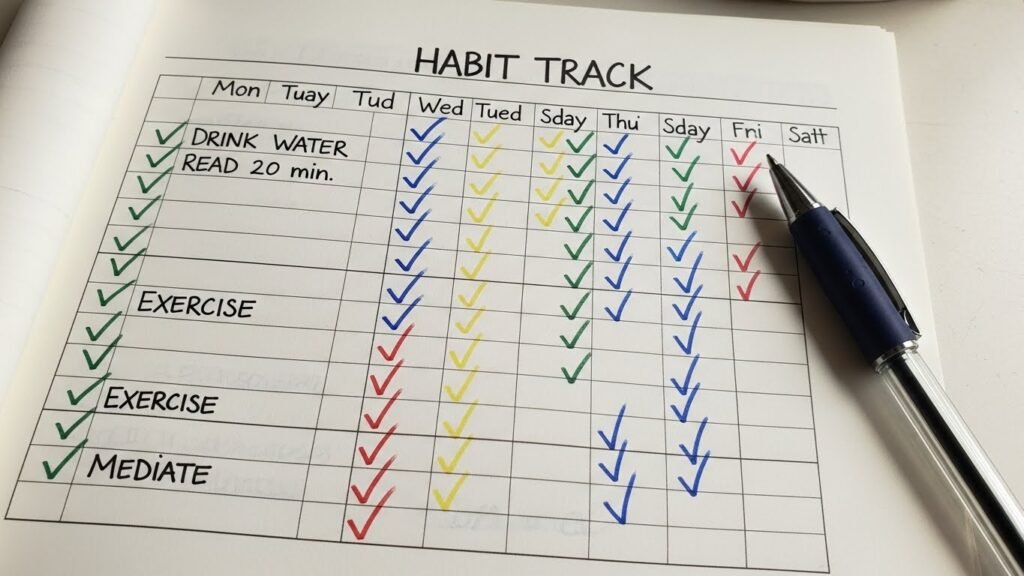
It can be helpful to use a simple habit tracker. Seeing a streak of “checked boxes” for water intake or meditation can provide a minor dopamine hit, encouraging you to keep going. However, remember that the tracker is a tool, not a judge. The goal is progress, not perfection.
Conclusion
Building daily self-care habits is an investment that pays dividends for the rest of your life. By attending to your physical, mental, and social needs in small ways every day, you significantly reduce your risk of chronic disease and mental burnout. Remember that you are a complex being that requires constant “care” to function.
Start small. Pick one habit from this list—perhaps drinking more water or taking a short walk—and commit to it for one week. Once that feels natural, add another. Over time, these small shifts will transform your health, giving you the energy and resilience to live your life to the fullest.