
Natural Remedies vs. Medical Treatment: Finding the Right Balance for Your Health
In the modern quest for wellness, many people find themselves at a crossroads between two seemingly different worlds: the ancient wisdom of natural remedies and the high-tech precision of modern medical treatment. The debate over which is “better” often misses the most critical point—both have a valuable place in a comprehensive healthcare strategy. To achieve optimal health, it is essential to understand the strengths and limitations of both approaches and, most importantly, when to choose one over the other.
While “natural” is often equated with “safe,” and “medical” is sometimes viewed as “harsh,” the reality is more nuanced. Adequate healthcare isn’t about choosing a side; it’s about using the right tool for the specific job. This guide explores the synergy between natural remedies and medical treatment and provides a roadmap for making informed, safe decisions for you and your family.
Understanding Natural Remedies
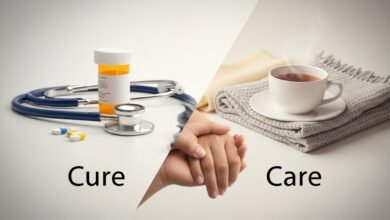
Natural remedies, often referred to as complementary or alternative medicine, involve using substances found in nature—such as herbs, minerals, and lifestyle changes—to support the body’s self-healing processes. These methods have been used for thousands of years and often focus on the “care” aspect of health, looking at the person as a whole rather than just a set of symptoms.
Common examples include:
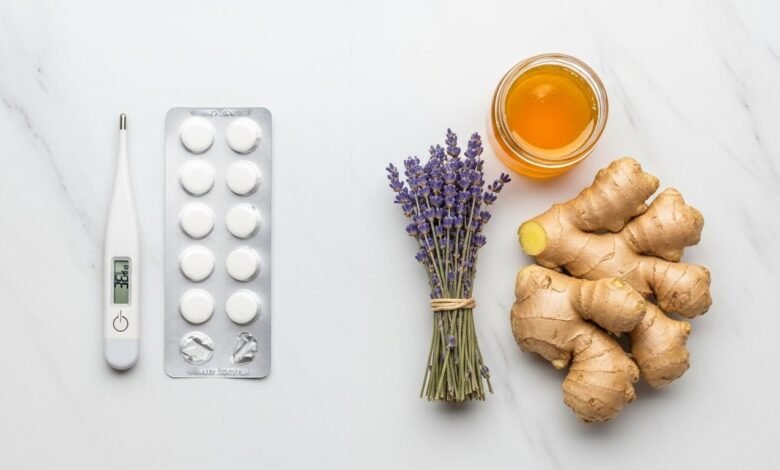
- Ginger and Peppermint: Frequently used for soothing digestive issues and nausea.
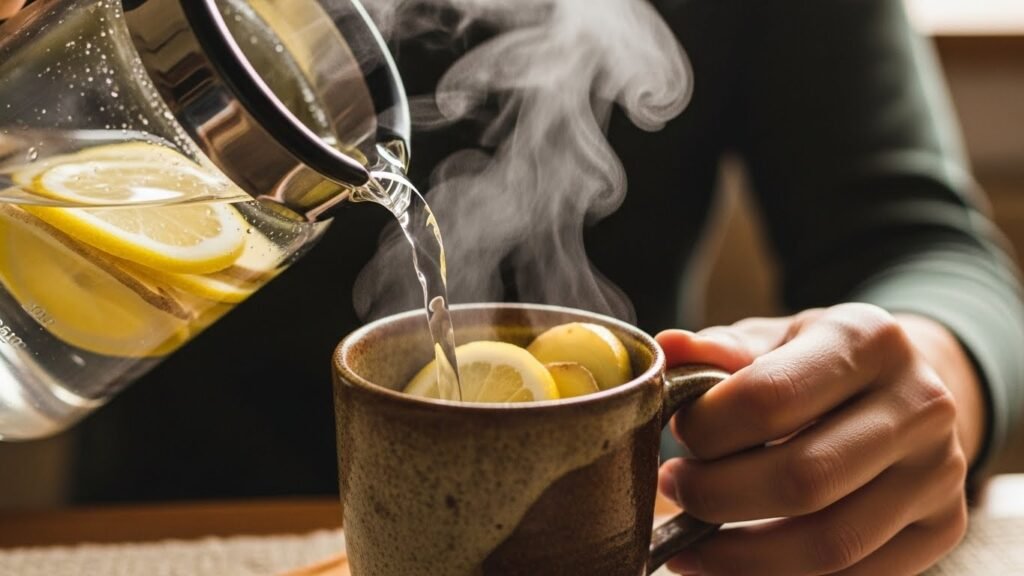
- Honey and Lemon: A time-honored way to calm a sore throat and suppress a mild cough.
- Turmeric: Known for its anti-inflammatory properties that can help with joint discomfort.
- Sleep and Hydration: The most fundamental natural remedies for recovering from common viral infections.
The strength of natural remedies lies in their ability to support long-term wellness and manage minor, self-limiting conditions with minimal side effects.
The Role of Modern Medical Treatment
Medical treatment refers to interventions that have been scientifically tested, regulated, and proven effective through clinical trials. This includes pharmaceuticals, surgeries, and advanced diagnostic tools. This is the realm of the “cure”—the targeted intervention needed when the body’s natural defenses are overwhelmed.
Medical treatment is indispensable for:
- Acute Emergencies: Trauma, heart attacks, and strokes require immediate clinical intervention.
- Bacterial Infections: While some minor issues resolve on their own, serious infections require antibiotics to prevent sepsis or permanent damage.
- Chronic Disease Management: Conditions like Type 1 diabetes or advanced heart disease require precision-engineered medications to maintain life.
- Complex Diagnostics: MRI scans, blood tests, and biopsies provide a level of insight that natural methods cannot achieve.
Natural Remedies vs. Medical Treatment: The “When” and “How”
The most critical skill in personal health management is knowing when to use which approach. A balanced perspective allows you to use natural methods for daily maintenance while respecting the life-saving power of modern medicine.
When to Choose Natural Remedies:
- For a minor, everyday discomforts include a mild tension headache or slight indigestion.
- For long-term prevention and immune support.
- As a “complement” to medical treatment (with your doctor’s approval), to help manage side effects or improve comfort during recovery.
When to Seek Medical Treatment:
- If you have a high fever that does not break.
- If you experience sudden, severe pain or difficulty breathing.
- If a minor symptom persists for more than a few days or worsens.
- If you have a chronic condition that requires monitoring and specialized medication.
The Risks of the “Natural Only” Approach
A common mistake in the wellness community is the belief that because something is natural, it cannot be harmful. This is a dangerous misconception.
- Interactions: Some herbs can dangerously interact with prescription medications. For example, St. John’s Wort can reduce the effectiveness of blood thinners or birth control.
- Delay of Treatment: Using natural remedies for a serious condition (like a growing tumor or a severe infection) can delay necessary medical intervention until it is too late.
- Lack of Regulation: Unlike prescription drugs, many natural supplements are not strictly regulated for purity or dosage, meaning you may not always get what is listed on the label.
The Risks of Over-Medicalization
Conversely, relying solely on medical treatment without addressing lifestyle can lead to its own set of problems.
- Antibiotic Resistance: Taking antibiotics for viral infections (like the common cold) when they don’t work can lead to the rise of “superbugs.”
- Side Effects: Every pharmaceutical drug carries a risk of side effects. If a condition can be managed through diet or stress reduction, it is often safer to start there.
- Treating Symptoms, Not Causes: Medicine often suppresses a symptom (like a headache) without addressing the root cause (like dehydration or lack of sleep).
Practical Steps for an Integrative Approach
How can you combine these two worlds safely? Follow these practical steps to build an integrative health plan.
1. Always Inform Your Doctor Whenever you start a new supplement, herbal tea, or restrictive diet, tell your healthcare provider. This ensures they have a complete picture of your health and can prevent dangerous drug-herb interactions.
2. Start with the Basics. Before reaching for either a pill or a complex herbal tincture, ensure your “foundational care” is in place. Are you drinking enough water? Are you getting sunlight? Are you eating whole foods? Many “symptoms” are simply the body’s cry for better basic care.
3. Use the “Red Flag” System. Establish clear boundaries for when a natural remedy isn’t enough. For example: “I will treat this cough with honey and rest for three days. If I develop a fever or if the cough gets worse, I will visit the clinic.”
4. Research the Evidence Look for “evidence-based” natural remedies. Organizations like the National Center for Complementary and Integrative Health (NCCIH) provide peer-reviewed data on which natural treatments actually have scientific backing.
Case Study: Managing Stress and Sleep
Stress is a perfect example of where natural remedies overlap with medical treatment.
- Natural Approach: Magnesium-rich foods, valerian root tea, and a strict “no screens” policy before bed. These are excellent first-line defenses for occasional restlessness.
- Medical Approach: If sleep deprivation becomes chronic and leads to clinical depression or severe cognitive impairment, a doctor may prescribe a short course of sleep aids or therapy.
- The Result: The best outcome usually involves using the natural habits to eventually “taper off” the need for medical intervention.
Common Myths About Natural and Medical Care
- Myth: “Big Pharma” hides natural cures.
- Truth: Many modern medicines are actually derived from plants. Aspirin comes from willow bark; many cancer drugs come from the Pacific Yew tree. If a natural substance is proven to work, medical science usually adopts and refines it.
- Myth: Natural remedies work instantly.
- Truth: Natural approaches often take weeks of consistent use to show results, whereas medical treatments (like painkillers or epinephrine) are designed for rapid response.
The Importance of Quality Control
If you choose to use natural remedies, the “care” you put into selecting products matters.
- Look for Third-Party Testing: Labels like USP or NSF indicate that the supplement has been tested for purity.
- Avoid “Cure-All” Claims: Any product that claims to cure cancer, diabetes, and heart disease all at once is likely a scam.
- Check Expiration Dates: Just like medicine, dried herbs and oils lose their potency over time.
Building Your Home Health Kit
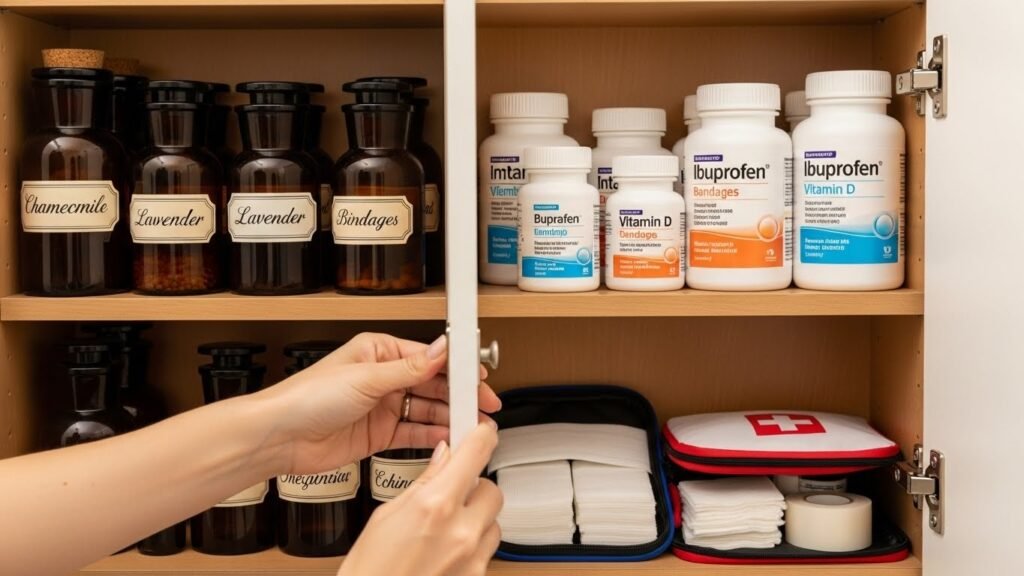
A well-balanced home health kit should contain both natural and medical essentials:
- Medical: Bandages, antiseptic cream, ibuprofen/paracetamol, a thermometer, and an antihistamine for allergies.
- Natural: Peppermint oil for headaches, ginger tea for upset stomachs, aloe vera gel for minor burns, and saline solution for nasal congestion.
Having both on hand ensures you are prepared for minor issues without always needing to rush to the pharmacy or the emergency room.
Conclusion
The debate of natural remedies versus medical treatment shouldn’t be a conflict. Instead, think of them as the two hands of your healthcare system. One hand (natural care) focuses on the foundation, daily habits, and gentle support for your body’s systems. On the other hand, medical treatment is the specialty called in to handle crises and complex conditions.
By respecting both, you gain the best of both worlds. You can enjoy the peace of mind that comes from natural living while benefiting from the incredible advancements of modern science. Ultimately, the goal is not to be “pro-natural” or “pro-medical,” but to be “pro-health.” Listen to your body, consult with professionals, and always prioritize safety over ideology.