


Natural Remedies for Common Colds: Boost Your Immunity at Home
The common cold is something most people experience multiple times a year. It’s caused by viruses that affect the upper respiratory system, leading to symptoms such as a runny nose, a sore throat, and fatigue. While there’s no cure, natural remedies for common colds can help manage discomfort and support your body’s recovery. These home-based approaches focus on easing symptoms and strengthening immunity without medication. Remember, this information is for general wellness and not a substitute for professional medical advice. If symptoms persist or worsen, consult a healthcare provider.
Understanding how colds work can guide better self-care. Colds spread through droplets from sneezes or coughs, or through contact with contaminated surfaces. They thrive in dry, cold weather, which is why they’re more common in winter. Boosting your immune system at home starts with simple habits that promote overall health. In this article, we’ll explore evidence-based natural strategies to relieve symptoms and enhance your body’s defenses.
What Causes the Common Cold?
Rhinoviruses primarily cause the common cold, but other viruses, such as coronaviruses and respiratory syncytial virus, can also be culprits. These invade the lining of your nose and throat, causing inflammation. Factors like stress, lack of sleep, or a weakened immune system make you more susceptible. While anyone can catch a cold, children and those in close-contact environments, such as schools or offices, are at higher risk. Preventive measures, such as frequent handwashing, are key, but when a cold hits, natural remedies can provide relief.
Symptoms usually appear one to three days after exposure and include congestion, sneezing, headache, and mild fever. Most resolve in 7-10 days, but lingering effects, such as cough, can persist. The goal of home remedies is to support your immune response, which naturally fights off the virus.
Hydration: The Foundation of Recovery
Staying hydrated is one of the simplest yet most effective natural remedies for common colds. Fluids help thin mucus, making it easier to expel and reducing congestion. Dehydration can worsen symptoms, so aim for at least 8-10 glasses of water daily, more if you have a fever.
Warm liquids are particularly beneficial. They soothe irritated membranes and promote mucus flow. For example, herbal teas like chamomile or peppermint can provide comfort. Add a slice of lemon for a vitamin C boost, which supports immune function. Chicken soup, a classic remedy, offers hydration plus nutrients from vegetables and broth. Studies suggest it may have mild anti-inflammatory effects, slowing the movement of immune cells to reduce congestion. Prepare a simple version by simmering chicken, carrots, celery, and onions in water for an hour.
Avoid dehydrating beverages like coffee or alcohol, as they can further dry out your system. Instead, opt for room-temperature water if hot drinks aren’t appealing. Practical tip: Keep a water bottle nearby and set reminders to sip throughout the day.
Rest and Sleep for Immune Strength
Your body repairs itself during rest, making sleep a cornerstone of fighting colds. Aim for 7-9 hours per night. When under the weather, take short naps to conserve energy for your immune system. Create a restful environment by dimming lights, using comfortable bedding, and avoiding screens before bed.
Lack of sleep weakens the immune system, increasing susceptibility to colds. If congestion disrupts sleep, elevate your head with an extra pillow to ease breathing. A consistent sleep routine, even when healthy, builds long-term resilience.
Natural Remedies for Common Colds: Soothers for Sore Throat and Cough
A sore throat and cough are hallmark cold symptoms, but natural options can provide relief. Honey is a time-tested remedy with antibacterial properties. Mix a teaspoon in warm tea to coat the throat and suppress coughs. Research shows it can be as effective as some over-the-counter cough suppressants, but avoid giving it to children under one year due to botulism risk.
Gargling with salt water is another easy method. Dissolve 1/4 teaspoon of salt in 8 ounces of warm water and gargle several times a day. This draws out excess fluid from throat tissues, reducing inflammation and loosening mucus. For coughs, humid air helps—use a cool-mist humidifier in your room and clean it daily to prevent mold.
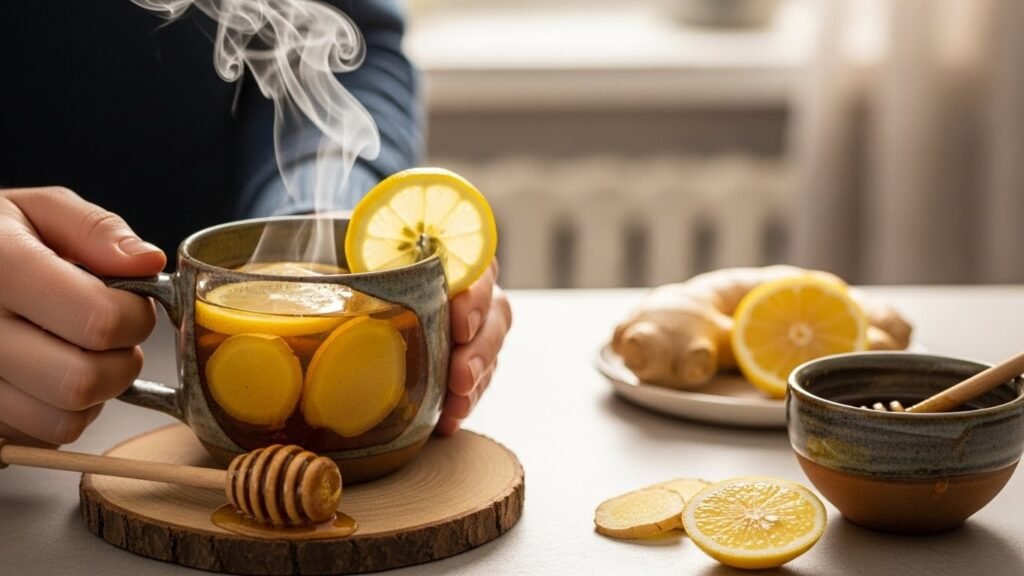
Ginger adds anti-inflammatory benefits. Grate fresh ginger into hot water for tea, which can ease nausea and throat pain. Combine it with honey and lemon for a potent soothing drink. These remedies work by addressing symptoms directly, allowing your body to focus on eliminating the virus.

Congestion Relief with Home Techniques
Nasal congestion can make breathing difficult, but saline rinses offer a drug-free solution. Use a neti pot or a bulb syringe with a saltwater solution (1/4 teaspoon salt and 1/4 teaspoon baking soda in boiled, cooled water). Irrigate each nostril gently to flush out mucus and allergens. Do this 2-3 times daily, but always use sterile water to avoid infections.
Steam inhalation is another option. Sit with your face over a bowl of hot water, draped with a towel, for 5-10 minutes. Add eucalyptus oil for extra decongestion. Hot showers achieve similar effects. For external relief, apply a warm compress to your sinuses. These methods moisturize nasal passages and promote drainage.
Herbal and Supplement Support
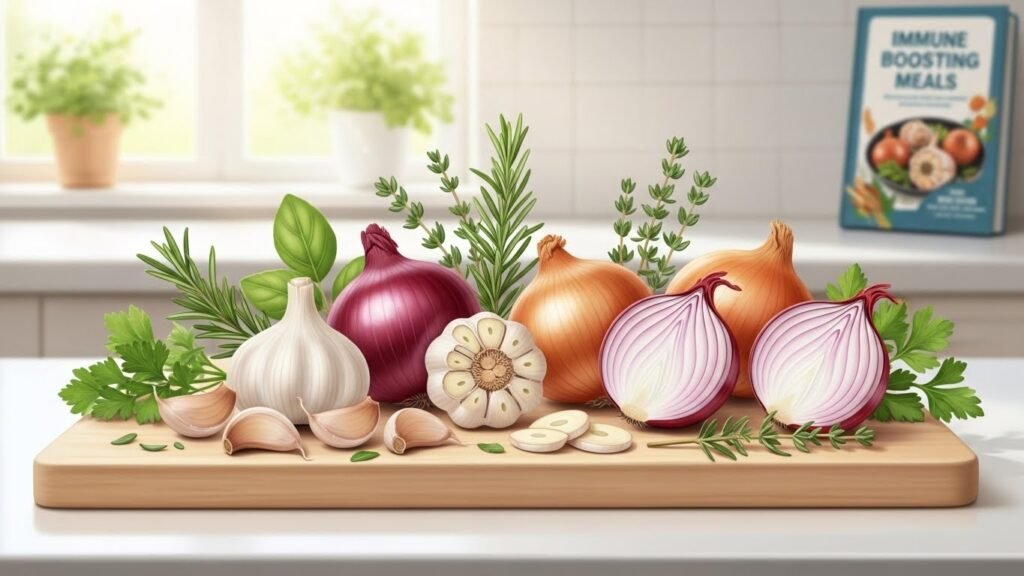
Certain herbs show promise in managing cold symptoms. Garlic contains allicin, which has antimicrobial effects. Incorporate it into meals or take it as a supplement after consulting a doctor. Echinacea may slightly shorten cold duration, according to some studies; brew it as tea.
Zinc lozenges, if started early, might reduce symptoms by a day. Choose forms without added flavors that could cause side effects. Elderberry syrup has antiviral potential and can ease flu-like symptoms. Always check for interactions with medications and start with small doses.

Boosting Immunity Through Diet
A nutrient-rich diet fortifies your immune system. Focus on fruits and vegetables high in vitamins. Oranges, berries, and bell peppers provide vitamin C, an antioxidant that aids white blood cell function. Include leafy greens like spinach for folate and iron.
Probiotic foods, such as yogurt, support gut health, which in turn influences immunity. Aim for plain varieties with live cultures. Foods like bananas and onions have prebiotic fibers that feed beneficial bacteria. During a cold, eat light, nourishing meals to avoid overburdening digestion.
Practical steps: Plan meals with colorful produce. For breakfast, try oatmeal with berries; for lunch, a salad with greens and citrus. These habits not only help during illness but also prevent future colds.
Lifestyle Habits to Strengthen Defenses
Exercise moderately to enhance circulation and immune cell activity. A 30-minute walk daily can suffice, but avoid intense workouts when sick. Manage stress through mindfulness or deep breathing, as chronic stress suppresses the immune system.
Quit smoking and limit alcohol, as they impair respiratory health. Maintain a healthy weight through balanced eating and activity. Vaccinations, such as the flu shot, prime your immune system against related viruses.

Practical Steps to Implement Remedies
- Start your day with warm lemon water and honey.
- Use a humidifier at night for better sleep.
- Incorporate garlic and ginger into dinners.
- Gargle salt water after meals.
- Track hydration with a journal.
- Add probiotics via yogurt snacks.
- Practice 10 minutes of meditation daily.
- Prepare chicken soup in batches for easy access.
These steps are straightforward and can be integrated into routines.
Common Mistakes to Avoid
One frequent error is overusing supplements without guidance, leading to side effects like nausea from excess zinc. Another is ignoring rest, pushing through symptoms, and prolonging recovery. Don’t use unsterile water for nasal rinses, as it risks infection. Avoid honey for infants, and skip aspirin in children to prevent rare complications. Over-relying on a single remedy ignores a holistic approach—combine hydration, diet, and rest for the best results. Misjudging symptom severity can delay medical help; see a doctor for high fever or breathing issues.

Conclusion
Natural remedies for common colds emphasize self-care and immune support, helping you feel better faster at home. By focusing on hydration, rest, soothing herbs, and a balanced diet, you can manage symptoms effectively while building resilience. Consistency in healthy habits year-round reduces the frequency of colds. Listen to your body and seek professional advice when needed for safe, sustainable wellness.