
Natural Immunity Boosters: How to Care for Your Body During Flu Season
As the seasons change and temperatures drop, the conversation in households around the world shifts to one topic: how to avoid getting sick. Flu season brings a wave of worry, sending people rushing to pharmacies to stock up on multivitamins and cold remedies. However, proper health is not found in a pill bottle; it is cultivated through daily habits.
At Cure and Care, we emphasize the importance of prevention—the “Care”—so that you are less likely to need the “Cure.” Your immune system is your body’s personal security team. It is a complex network of cells, tissues, and organs that work together to defend you against invaders like bacteria and viruses. But like any security team, it performs best when it is well-fed, well-rested, and supported.
While no single food or lifestyle change can guarantee you will never catch a cold, there are science-backed ways to strengthen your defenses. This guide explores effective natural immune system boosters that you can integrate into your daily life to stay resilient this season.

Understanding Your Immune System
Before we dive into specific remedies, it is essential to clear up a common misconception. You often hear the phrase “boost your immune system,” but medically speaking, you do not want an overactive immune system (which can lead to allergies and autoimmune issues). What you actually want is a balanced and responsive immune system.
You want your body to recognize a threat immediately and eliminate it efficiently, without causing unnecessary inflammation. This balance depends heavily on your lifestyle choices. The immune system is not a muscle you can exercise in isolation; it reflects your body’s overall health.
1. Food as Medicine: The Nutritional Pillars
The most powerful tool you have for immune health is your fork. Malnutrition or a diet high in processed foods can weaken the immune system, leaving you vulnerable to infection. To keep your defenses strong, focus on whole, nutrient-dense foods.
Vitamin C: The First Line of Defense
Vitamin C is famous for a reason. It encourages the production of white blood cells, which are key to fighting infection. Because your body does not produce or store Vitamin C, you need to consume it daily.
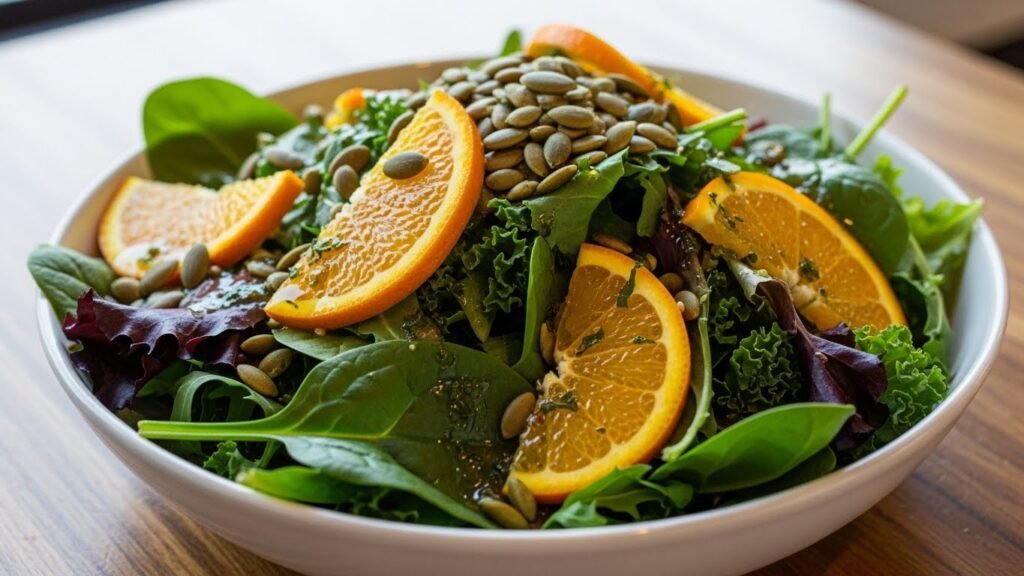
- Best Sources: Citrus fruits (oranges, grapefruits, lemons), red bell peppers (which actually contain more Vitamin C than oranges), broccoli, and kiwi.
Zinc: The Gatekeeper
Zinc is a mineral that keeps the immune system strong. It is essential for immune cell development and communication, and plays a role in the inflammatory response.
- Best Sources: Shellfish, chickpeas, lentils, pumpkin seeds, and cashew nuts.
Gut Health: The Secret Weapon
Did you know that approximately 70% of your immune system resides in your gut? The beneficial bacteria in your digestive tract (microbiome) teach your immune system the difference between friend and foe.
- Probiotics: These add good bacteria to your system. Found in yogurt, kefir, sauerkraut, and kimchi.
- Prebiotics: These feed the good bacteria. Found in garlic, onions, bananas, and asparagus.
2. The Power of Deep Sleep
In our busy modern world, sleep is often the first thing we sacrifice. However, during flu season, skimping on sleep is dangerous.
When you sleep, your body releases proteins called cytokines, some of which help promote sleep. Specific cytokines need to increase when you have an infection or inflammation. Sleep deprivation may decrease production of these protective cytokines. In addition, infection-fighting antibodies and cells are reduced during periods when you don’t get enough sleep.
How to Optimize Sleep for Immunity:
- Consistency: Go to bed and wake up at the same time every day to regulate your circadian rhythm.
- The “No-Phone” Zone: Blue light from screens suppresses melatonin, the sleep hormone. Try to read a physical book for 30 minutes before bed instead of scrolling.
- Cool Temperature: Your body rests better in a slightly cooler room, around 65°F (18°C).
3. Hydration: Keeping the Barriers Strong
We often forget about water in the winter because we don’t feel as thirsty as we do in the summer. However, hydration is critical for immunity.
Your eyes, nose, and mouth are the entry points for viruses. These areas are protected by mucous membranes that trap invaders. If you are dehydrated, these membranes dry out and crack, creating an open door for germs. Furthermore, water helps carry oxygen to your body cells, which results in properly functioning systems.
Hydration Tips Beyond Water:
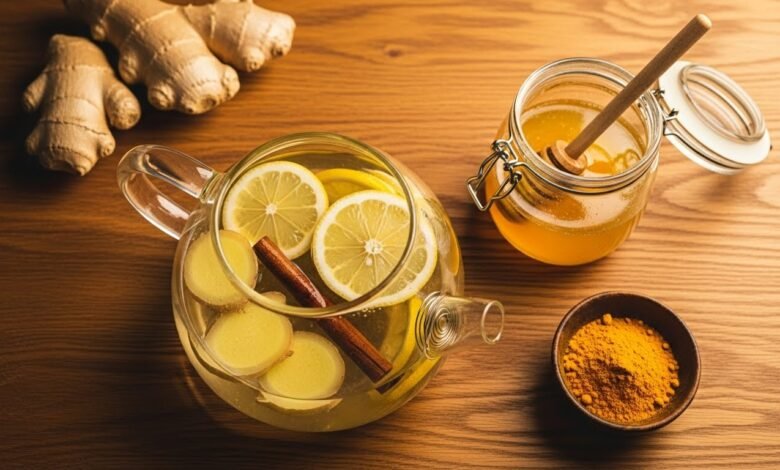
- Herbal Teas: Ginger, peppermint, and chamomile teas count toward your hydration and offer soothing properties.
- Bone Broth: Rich in vitamins and minerals, warm broth is excellent for the gut and hydration.
- Limit Alcohol: Alcohol is a diuretic (dehydrates you) and can suppress immune function effectively immediately after drinking.

4. Stress Management: Lowering Cortisol
There is a direct link between your mind and your immunity. When you are stressed, your body produces cortisol. In short bursts, cortisol can curb inflammation, which is good. But over time, chronic stress keeps cortisol levels high, and the body gets “used” to it. This leads to inflammation and a reduced number of lymphocytes (white blood cells) that fight off infection.
Managing stress is not a luxury; it is a medical necessity for a strong immune system.
Simple De-stressing Techniques:
- Box Breathing: Inhale for 4 seconds, hold for 4 seconds, exhale for 4 seconds, hold for 4 seconds. Repeat. This physically forces your nervous system to calm down.
- Nature Walks: Spending 20 minutes outside can significantly lower cortisol levels.
- Disconnecting: Taking breaks from the constant news cycle about flu seasons and outbreaks can actually help your body fight them better.
5. Movement and Circulation
Exercise is one of the best natural immune system boosters, but the key is moderation. Moderate exercise—like walking, swimming, or cycling—mobilizes immune cells. It increases blood flow, allowing white blood cells to circulate through the body more quickly and detect illnesses earlier.
However, be careful with “extreme” exercise. Marathon-level training without adequate rest can actually temporarily suppress the immune system. During flu season, aim for consistency over intensity.

6. Hygiene: The Practical Side of “Care.”
While internal health is vital, we cannot ignore the external barrier. The best way to keep your immune system from being overwhelmed is to reduce the “viral load” it has to fight.
- Hand Washing: It sounds basic, but it is the number one way to prevent illness. Wash with soap for at least 20 seconds (sing “Happy Birthday” twice).
- Ventilation: Indoor air can become stagnant in winter—open windows for 10 minutes a day to cycle out stale air and potential viral particles.
- Surface Cleaning: Regularly disinfect high-touch areas like doorknobs, light switches, and remote controls.
7. Supplements: Support, Not Replacement
A common mistake people make is relying entirely on supplements while ignoring their diet and sleep. Supplements are meant to supplement a healthy lifestyle, not replace it.
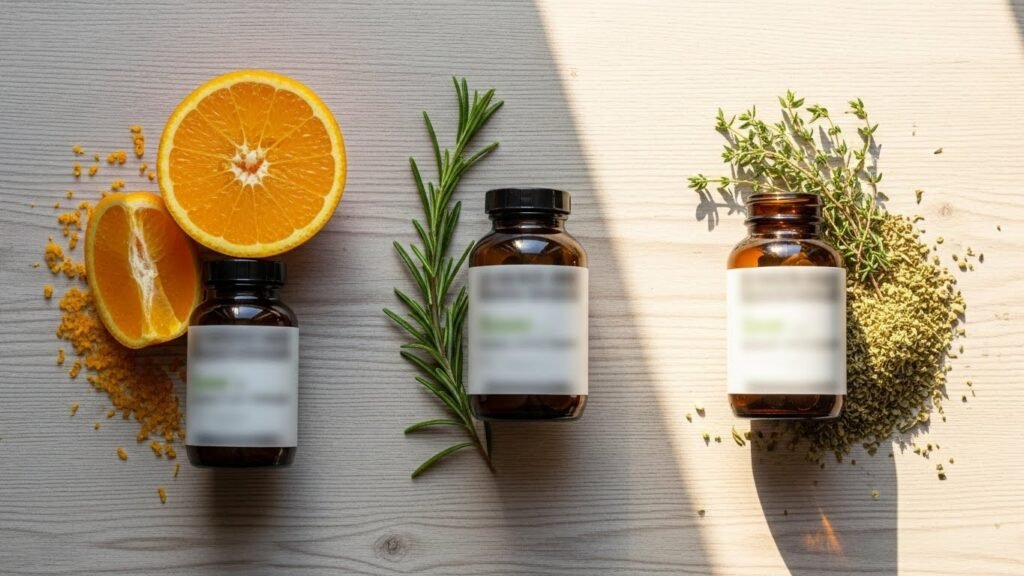
While it is always best to get nutrients from food, some supplements can help during the winter months:
- Vitamin D: In winter, we get less sun, leading to lower Vitamin D levels, which are crucial for immune response.
- Elderberry: Some studies suggest elderberry extract may reduce the duration of cold and flu symptoms.
- Echinacea: Often used at the first sign of a cold to support the immune response.
Important Note: Always consult your doctor before starting any new supplement regimen, especially if you are on other medications.
Conclusion
Navigating flu season does not have to be anxiety-inducing. By shifting your focus from fear of sickness to the empowerment of “Care,” you can build a body that is resilient and strong.
The best natural immune system boosters are already within your reach: nutritious food, restful sleep, hydration, and stress management. These habits do not just protect you from the flu; they also improve your energy, mood, and long-term health.
This winter, treat your body with the compassion and respect it deserves. Feed it well, let it rest, and trust it to do the job it was designed to do.