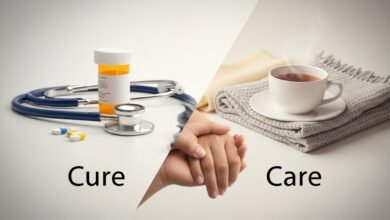


Cure and Care: Why Both Are Essential for Your Long-Term Health
In the modern world, we often use the terms “medical treatment” and “wellness” interchangeably, but at the heart of health lies a deeper distinction. To truly thrive, one must understand the difference between cure and care. While a cure focuses on eliminating a disease or resolving a specific injury, care is the ongoing process of supporting a person’s physical, emotional, and mental well-being. Both are essential pillars of a healthy life, and knowing how to balance them can lead to a more fulfilling and sustainable lifestyle.
For decades, the global healthcare system was primarily reactive—waiting for a problem to arise and then searching for a cure. However, as our understanding of chronic illness and longevity has evolved, the emphasis on “care” has become just as critical as the medical “cure.” This article explores how these two concepts interact, why you need both, and how you can implement a holistic approach to your health today.
The Definition of a Cure
A cure is generally defined as a medical intervention that ends a disease or condition. If you have a bacterial infection, an antibiotic is the cure. If you have an inflamed appendix, surgery is the cure. The goal of curative medicine is to return the body to its previous state of health by removing the threat.
Curative medicine is one of the most outstanding achievements of human science. It has allowed us to eradicate smallpox, manage polio, and survive surgeries that would have been fatal a century ago. However, the limitation of a “cure-only” mindset is that it often treats the body like a machine with a broken part, sometimes overlooking the person as a whole.

The Essence of Care
Care, on the other hand, is a broader and more continuous concept. It is not necessarily about “fixing” something that is broken, but about nurturing the body and mind. Care includes preventative measures, psychological support, palliative assistance for chronic conditions, and daily wellness habits.
While you might only seek a cure once or twice a year for an illness, “care” is something you practice every single day. It is the food you eat, the way you manage stress, and the support systems you build. In many cases, especially with chronic conditions like diabetes or hypertension, a total cure may not exist, but high-quality care allows the individual to live a long, vibrant life.
Why You Need Both: The Synergy of Cure and Care
Understanding the difference between cure and care helps you navigate the healthcare system more effectively. If you focus only on the cure, you may ignore the lifestyle habits that prevent disease. If you focus only on care and ignore medical science, you may miss out on life-saving treatments when they are truly necessary.
The most successful health outcomes happen when these two forces work together. For example, a patient recovering from a major surgery (the cure) will heal significantly faster and with fewer complications if they receive excellent postoperative nutrition and emotional support (the care).
Practical Steps to Prioritize Your Health
Integrating both concepts into your life doesn’t have to be complicated. Here are practical steps you can take to ensure you are covering both bases:
1. Establish a Relationship with a Primary Physician. Don’t wait until you are sick to find a doctor. Regular check-ups allow for early diagnosis, which is often the key to an easy cure. A doctor who knows your history can provide better personalized care.
2. Focus on “Micro-Habits” for Daily Care. Care isn’t always a grand gesture. It’s the small things:
- Drinking enough water throughout the day.
- Taking a 10-minute walk after lunch.
- Practicing deep breathing during a stressful workday.
- Prioritizing 7–8 hours of sleep.
3. Educate Yourself on Your Family History. Knowing what you are predisposed to allows you to tailor your preventative care. If heart disease runs in your family, your “care” plan should focus heavily on cardiovascular health and regular screenings.

Common Mistakes to Avoid
In the quest for better health, many people fall into common traps. Recognizing these can save you time and improve your well-being.
- Ignoring Symptoms: One of the biggest mistakes is assuming a lifestyle change (care) can replace a necessary medical intervention (cure). If you have persistent pain or unusual symptoms, see a professional immediately.
- The “Quick Fix” Mentality: Many people look for a “cure” in a supplement bottle or a fad diet—proper health results from consistent care over time, not a miracle pill.
- Neglecting Mental Health: Many treat physical ailments but ignore the “care” of their mind. Stress and anxiety have physiological effects that can hinder the effectiveness of any medical cure.
Managing Chronic Conditions Through Care
For those living with conditions that currently have no permanent cure, the concept of “care” becomes the primary focus. Modern medicine has turned many once-fatal diseases into manageable chronic conditions.
In these instances, the goal shifts from “elimination” to “management.” This involves a strict medication regimen (the medical side) combined with a supportive lifestyle (the care side). This dual approach ensures that the condition does not define the person’s quality of life.

The Role of Nutrition in Prevention and Recovery
The saying “food is medicine” highlights the bridge between cure and care. While nutrition might not cure a broken bone, it provides the calcium and protein the body needs to repair itself.
- Anti-inflammatory Diets: Incorporating foods such as turmeric, leafy greens, and fatty fish can help reduce chronic inflammation, a precursor to many diseases.
- Gut Health: A large portion of the immune system resides in the gut. Caring for your microbiome through fermented foods and fiber helps the body defend itself against infections, reducing the need for curative interventions later.
Building a Support System
Care is often a communal effort. Whether it is a family member helping a patient recover from surgery or a support group for individuals with similar health challenges, the social aspect of care cannot be overstated.
Isolation is a significant risk factor for poor health. By building a network of friends, family, and healthcare providers, you create a safety net that supports your wellness journey. This is particularly important for caregivers, who often provide so much care to others that they neglect their own need for a “cure” or personal care.

Modern Challenges: Information Overload
In the digital age, we have more access to health information than ever before. However, not all information is accurate. This makes the “care” aspect of health difficult to navigate.
To protect yourself:
- Verify information through reputable medical journals or official health organizations.
- Avoid websites that promise “guaranteed cures” for complex diseases.
- Consult with your doctor before starting any new intensive care regimen or supplement.
Environmental Care: Your Surroundings Matter
The environment you live in is a part of your care. Clean air, access to nature, and a decluttered living space contribute to lower cortisol levels. Taking the time to curate your environment is a form of proactive care that supports long-term physical health.

The Financial Benefit of Proactive Care
From a practical standpoint, focusing on care is far more affordable than seeking a cure. Emergency surgeries, long-term hospital stays, and intensive medications are financially taxing. Investing in high-quality food, a gym membership, or regular health screenings is a fraction of the cost of treating a preventable advanced-stage illness.
Integrating Cure and Care in Daily Life
How does this look in a real-world scenario? Imagine someone with high stress and rising blood pressure.
- The Cure Path: They wait until they have a health crisis and then take heavy medication to lower their blood pressure.
- The Care Path: They notice the trend early, improve their diet, start a meditation practice, and take a mild, doctor-prescribed medication if necessary.
The second path is more sustainable and results in a higher quality of life. It acknowledges the need for medical science (the medication) but doesn’t rely on it to do all the work.
Common Questions About Care-Based Healing
Can care replace a cure? In some cases of minor ailments, the body can heal itself with proper rest and care. However, for serious infections, injuries, or chronic diseases, care should support—not replace—a medical cure.
Does it care only for older people? No. Care should begin at birth. Teaching children good hygiene, nutrition, and emotional regulation is the ultimate form of long-term care.
How do I know if I’m focusing enough on care? Ask yourself: Are you sleeping well? Do you feel energized most days? Are you managing your stress? If the answer is no, you may need to shift more focus toward your daily care routine.
IMAGE DESCRIPTION (TEXT ONLY): A bright and airy pharmacy interior with a professional pharmacist in a white coat talking to a customer. The interaction looks helpful and informative, emphasizing the role of experts in providing health care advice.
Conclusion
Understanding the difference between cure and care is the first step toward a healthier future. A cure is what we seek when things go wrong; care is what we do to ensure things go right for as long as possible. By respecting the power of medical science while embracing the necessity of daily wellness, you can build a life that isn’t just free of disease but full of vitality.
Proper health is not merely the absence of illness. It is the presence of physical, mental, and social well-being. Start today by making one small change in your care routine, and don’t hesitate to seek help when your body signals it needs professional care. Balance is the key to longevity.